
"coffee yield Vietnam"
400 article(s) found

The history of growing coffee beans in Vietnam-the price of G7 coffee in Vietnam
Vietnam's history of growing coffee beans-Vietnam G7 coffee prices Vietnam's geographical location is very favorable for coffee cultivation, southern Vietnam has a hot and humid tropical climate, suitable for growing ROBUSTA coffee, the north is suitable for growing ARABICA coffee. Coffee production in Vietnam has the following characteristics: (1) because there is no effective way to deal with fallen leaves, medium seed was selected in the early 1980s.
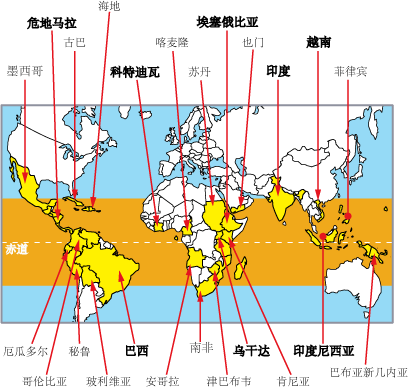
Vietnamese coffee is characterized by Japanese investment in Vietnamese coffee and French flavor.
Vietnam is a big producer today and a giant of tomorrow. Perhaps under the influence of French colonial rule, coffee grown in Vietnam has a French flavor. Arabica coffee was first brought to Vietnam by French missionaries. More than 400,000 coffee trees were introduced to Vietnam from 1865 to 1876 and were planted near Tonkin Bay, mostly Java or bourbon varieties. At present, the output of coffee in Vietnam is
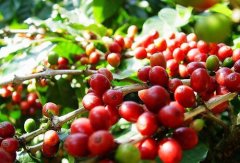
Vietnamese coffee Southeast Asian coffee beans
Boutique coffee beans must be excellent varieties, such as the original bourbon species, mocha species and Tippica species. The coffee beans produced by these trees have unique aroma and flavor, which is far from that of other tree species, but the relative yield is low. in recent years, in order to pursue the ability of disease and insect resistance and increase the yield, there have been many improved tree species, such as the massive promotion of high-yield rurial11 species in Kenya.

Vietnam, the second largest coffee exporter in the world
Almost all of the world's robusta coffee beans (Robustabean), which are often used to make instant coffee and high-end coffee blends, are exported from Vietnam. Vietnam is the world's second largest exporter of coffee, surpassing Colombia and second only to Brazil. Vietnam has a long history of coffee production, but the development and expansion of its production scale began in the last 20 years. Experiencing

Vietnam Coffee is the second largest coffee exporter in the world
Almost all of the world's robusta coffee beans (Robustabean), which are often used to make instant coffee and high-end coffee blends, are exported from Vietnam. Vietnam is the world's second largest exporter of coffee, surpassing Colombia and second only to Brazil. Vietnam has a long history of coffee production, but the development and expansion of its production scale began in the last 20 years. Experiencing

The situation of coffee production in Vietnam the geographical location of Vietnam is very favorable for coffee cultivation.
Vietnam's geographical location is very favorable for coffee cultivation. Southern Vietnam has a hot and humid tropical climate, which is suitable for growing ROBUSTA coffee, while the north is suitable for growing ARABICA coffee. Coffee production in Vietnam has the following characteristics: (1) because there is no effective way to deal with fallen leaves, medium-grain coffee was selected as the main variety in the early 1980s. (2) take planting technology as a reference.

Vietnam Weishuo Coffee Bean Arabica Karabasta mixed Bean Flavor description Grinding degree
Vietnam Coffee Vietnam's geographical location is very favorable for coffee cultivation. Southern Vietnam has a hot and humid tropical climate, which is suitable for growing ROBUSTA coffee, while the north is suitable for growing ARABICA coffee. Coffee production in Vietnam has the following characteristics: (1) because there is no effective way to deal with fallen leaves, medium-grain coffee was selected as the main variety in the early 1980s. (2) to seed
Introduction to the Variety characteristics of Coffee beans in Vietnam
Vietnam's geographical location is very favorable for coffee cultivation. Southern Vietnam has a hot and humid tropical climate, which is suitable for growing ROBUSTA coffee, while the north is suitable for growing ARABICA coffee. Coffee production in Vietnam has the following characteristics: (1) because there is no effective way to deal with fallen leaves, medium-grain coffee was selected as the main variety in the early 1980s. (2) take planting technology as

Vietnamese Coffee Flavor and Taste introduce Vietnamese Coffee Brands in Vietnam Coffee producing areas
Vietnam's geographical location is very favorable for coffee cultivation. Southern Vietnam has a hot and humid tropical climate, which is suitable for growing ROBUSTA coffee, while the north is suitable for growing ARABICA coffee. Coffee production in Vietnam has the following characteristics: (1) because there is no effective way to deal with fallen leaves, medium-grain coffee was selected as the main variety in the early 1980s. (2) take planting technology as
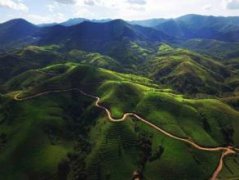
A brief introduction to the cultivation of medium-grained Vietnamese boutique coffee beans, geographical location, climate and altitude
In the field of coffee processing, there have been some dilapidated processing plants since 1975, and there are several processing plants in northern Tongjiao, Fukui and other places, whose equipment was made in East Germany from 1960 to 1962. In the south, the old factories left by former landowners such as ROSSI,DELPHANTE are also small. While expanding the planting area of coffee, it also began to build new coffee processing plants, initially producing some

A brief introduction to the treatment method of grinding degree and baking degree of medium-grain Vietnamese boutique coffee beans
In addition, there are many enterprises with inadequate equipment, which only rely on a few stand-alone machines for processing, and purchase newly processed coffee from farmers to ensure export standards. The coffee purchased from the private sector is mainly handled by each farmer through the cement yard or soil yard. Farmers in many places use small grinders to grind dried coffee fruits into coffee kernels and sell them to coffee buyers. This kind of processing

Vietnamese coffee flavor Vietnamese coffee characteristics
Vietnam's geographical location is very favorable for coffee cultivation. Southern Vietnam has a hot and humid tropical climate, which is suitable for growing ROBUSTA coffee, while the north is suitable for growing ARABICA coffee. Coffee production in Vietnam has the following characteristics: (1) because there is no effective way to deal with fallen leaves, medium-grain coffee was selected as the main variety in the early 1980s. (2) take planting technology as

Vietnam Coffee planting Environment, Flavor and Taste introduction to Vietnamese Fine Coffee
Coffee cultivation in Vietnam covers an area of about 500000 hectares, of which 10% are owned by state-owned enterprises and farms, and 85% by farmers and landowners. The scale of the manor is small, usually 2-5 hectares, and the large manor is about 30-50 hectares, but the number is small. Vietnamese coffee ranks second in all agricultural products exported from Vietnam, second only to rice. Every year, about 300000 farmers in Vietnam are engaged in coffee cultivation, with a labor force of 600000.

Vietnamese coffee beans grinding scale varieties taste processing method Manor characteristics Introduction
Vietnam's geographical location is very conducive to coffee cultivation, the south of Vietnam has a hot and humid tropical climate, suitable for growing ROBUSTA coffee, and the north is suitable for growing ARABICA coffee. Coffee production in Vietnam has the following characteristics: (1) Since there is no effective method to deal with defoliation, in the early 1980s, medium-grain coffee was selected as the main variety. (2) Cultivation techniques

Vietnamese Coffee Flavor Taste Manor introduces Vietnamese Coffee Brands
Vietnam's geographical location is very favorable for coffee cultivation. Southern Vietnam has a hot and humid tropical climate, which is suitable for growing ROBUSTA coffee, while the north is suitable for growing ARABICA coffee. Coffee production in Vietnam has the following characteristics: (1) because there is no effective way to deal with fallen leaves, medium-grain coffee was selected as the main variety in the early 1980s. (2) take planting technology as

Flavor and taste of coffee beans in Vietnam A brief introduction to the cultivation of coffee beans in manor producing areas
Vietnam has a long history of coffee production, but the development and expansion of its production scale began in the last 20 years. After the ups and downs of the world coffee market in 2005 and 2005, Vietnam's coffee industry gained momentum and handed in a satisfactory answer to the world in 2006: Vietnam produced 810000 tons of coffee (13.5 million bags) from 2001 to 2006.

Vietnamese coffee is served with condensed milk. The geographical location of Vietnam is very favorable for coffee cultivation.
Vietnamese coffee has a strong aroma, light sour taste, smooth and moist taste, slightly bitter and full-bodied aroma, refreshing and refreshing. The representative products are moossy coffee, G7 coffee coffee, Saigon coffee and Highland coffee. The geographical location of Vietnam is very favorable for coffee cultivation. Southern Vietnam has a hot and humid tropical climate, which is suitable for growing ROB.
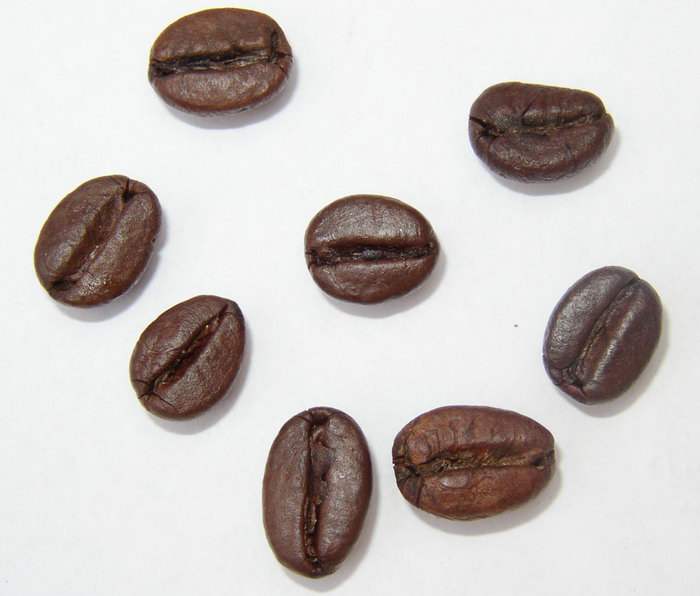
The introduction of Vietnamese coffee, the steps of making Vietnamese coffee
Follow Kaiping (official Wechat account vdailycom) and found that Vietnamese coffee is made in Vietnam, which is a coffee shop of its own, as important as tea is to the Chinese. It is a penetration deep into the bone marrow. Almost all of the world's robusta coffee beans (Robustabean), which are often used to make instant coffee and high-end coffee blends, are exported from Vietnam. Vietnam is the world.

Vietnamese coffee bean flavor taste manor production area introduces Vietnamese coffee bean brand
Coffee cultivation in Vietnam covers an area of about 500000 hectares, of which 10% are owned by state-owned enterprises and farms, and 85% by farmers and landowners. The scale of the manor is small, usually 2-5 hectares, and the large manor is about 30-50 hectares, but the number is small. Vietnamese coffee ranks second in all agricultural products exported from Vietnam, second only to rice. Every year, about 300000 farmers are engaged in coffee cultivation, with a labor force of 600000.

Vietnam Coffee Brand introduction Vietnam Coffee pot G7 Coffee
Vietnam's geographical location is very favorable for coffee cultivation. Southern Vietnam has a hot and humid tropical climate, which is suitable for growing ROBUSTA coffee, while the north is suitable for growing ARABICA coffee. Coffee production in Vietnam has the following characteristics: (1) because there is no effective way to deal with fallen leaves, medium-grain coffee was selected as the main variety in the early 1980s. (2) take planting technology as